
Looking for the AC scrap rate 2026? Here is the short answer. There is no single fixed rate for every old air conditioner. Two ACs of the same brand can sell for very different amounts.
Your final price depends on:
- AC type (split, window, or car AC)
- Total weight
- How much copper is inside
- How much aluminum is inside
- Whether the compressor is still there
- Condition of the unit
- Brand and model size
- Mixed materials like plastic and foam
- How many units you are selling
- The current scrap metal market
- Your location and pickup cost
So the only real way to know your AC scrap price 2026 is to get a fresh quote from a local buyer, based on your actual unit. Any number you see online is a reference, not a promise.
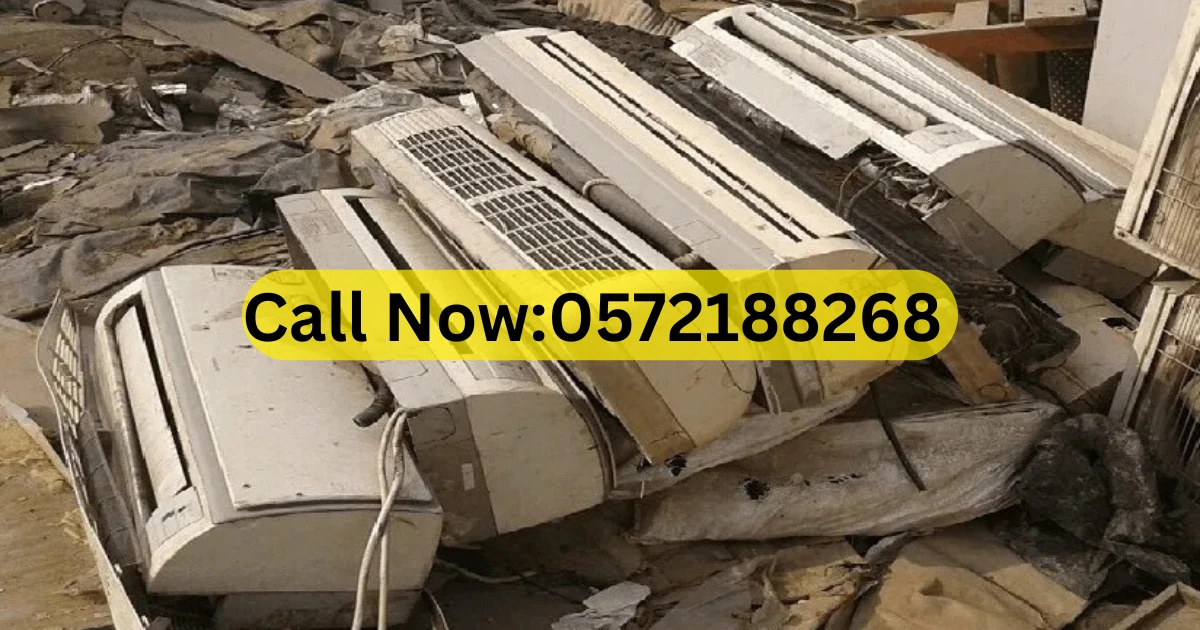
What Is the AC Scrap Rate in 2026?
An air conditioner is not one metal. It is a box of several metals mixed with plastic. That is why buyers do not quote one flat “AC scrap rate per kg” for the whole machine. They look at what is inside.
An old split AC usually holds copper tubing, aluminum coils, steel panels, electrical wires, and a compressor. A window AC has the same metals, but in a different mix and often a heavier steel body. A car AC is much smaller, but the compressor and aluminum parts still carry value.
Age alone does not decide the price either. A 15 year old heavy unit with full copper tubing can beat a newer, lighter unit that has already lost its compressor. The market moves as well, because copper and aluminum prices change through the year and buyers adjust their offers with them.
If you see a website showing an exact AC scrap price per kg for 2026, treat it as an example only. Ask a buyer for a live quote before you sell.
Split AC Scrap Rate 2026

The Split AC scrap rate 2026 depends mostly on the outdoor unit. That is where the heavy metal sits.
A split AC has two parts:
Indoor unit (AC indoor unit scrap): plastic cover, a small aluminum coil, copper tubing, a fan motor, and a control board. Light weight, lower value.
Outdoor unit (AC outdoor unit scrap): the compressor, copper pipes, an aluminum or copper condenser coil, a steel body, a fan motor, and wiring. This is the valuable half.
Common materials in a split AC:
- Copper tubing that connects the two units
- Copper windings inside the compressor and fan motors
- Aluminum coil and fins
- Steel outer body and mounting bracket
- Electrical wires with copper inside
How much is a split AC worth as scrap?
More than a window AC in many cases, because split ACs often use more copper piping. But the value drops fast if parts are missing. A partly dismantled unit is worth less, especially if the copper pipe has been cut short or the compressor is gone. Sellers often remove the compressor first, then wonder why the offer is low. It is usually the heaviest single piece of the machine, so keep the unit complete until you get your quote.
Car AC Scrap Rate 2026

The Car AC scrap rate 2026 works on a different logic than a home AC.
A car AC system includes:
- The AC compressor, which is mostly aluminum and steel with copper windings
- The condenser and evaporator, usually aluminum
- Aluminum or rubber lines and fittings
- Copper wiring in the clutch and motor
- Small steel brackets and bolts
Car AC parts are lighter than a household unit, but buyers pay close attention to the compressor, because some models sell as working used parts rather than plain scrap.
How much is a car AC worth as scrap?
Less than a household split AC in most cases, simply because there is less metal. The number depends on the car model, whether the compressor still turns, and whether you have one unit or several.
If you are a garage or workshop with a pile of old compressors and condensers, tell the buyer the quantity. Bulk changes the offer.
Window AC Scrap Rate 2026

The Window AC scrap rate 2026 is usually driven by weight. Older window units were built with heavy steel and solid components.
Inside a window AC you will find:
- A compressor, the heaviest part
- Copper tubing running between the coils
- Aluminum coils and fins
- A steel chassis and outer cabinet
- Copper wiring, a capacitor, and a fan motor
How much is an old window AC worth?
It depends on the metal mix, not the age. A heavy older model with plenty of copper can be worth more than a lighter modern one. If the coils are aluminum instead of copper, the value comes down, because aluminum sells for less per kilo. Check for rust as well. Heavy rust means less clean metal after processing, and buyers price that in.
AC Type Comparison
| AC Type | Main Scrap Materials | What Affects Value |
|---|---|---|
| Split AC | Copper, aluminum, compressor, steel | Weight, copper content, complete or missing parts |
| Window AC | Copper, aluminum, compressor, steel | Total weight, metal mix, rust |
| Car AC | Aluminum, copper, compressor parts | Car model, parts included, condition |
These are material guides, not price lists. Ask your buyer for the current figure.
What Makes an Old AC Worth More as Scrap?
- More copper. Copper pipes and windings lift the value the most.
- More aluminum. Coils and fins add weight after copper.
- A complete compressor. Removing it lowers your total.
- Higher total weight. Heavier units hold more metal.
- Less plastic. Covers and foam add weight but no value.
- Less contamination. Dirt, water, and rust reduce clean metal.
- Complete parts. Cut wires and missing panels reduce the offer.
- Larger quantity. Five units price better than one.
- Easy pickup. Ground floor access costs the buyer less than a rooftop removal.
- Good sorting. Separated copper and aluminum can earn material rates instead of a mixed rate.
Why Copper and Aluminum Matter in AC Scrap
Copper usually has the highest scrap value of the metals in an AC. Aluminum comes next. Steel is worth the least per kilo, though it still adds to the total.
- Copper pipes: the tubing between the indoor and outdoor units, and inside the coils
- Copper wires: the power cable, fan motor windings, and compressor windings
- Aluminum coils: the flat coil block in the outdoor unit
- Aluminum fins: the thin sheets you can bend with a finger
One warning. The AC copper scrap price and the AC aluminum scrap price are not your AC’s price. Your unit is a mix, so the buyer pays for the mix or separates it first and pays by material. Do not expect the copper rate for a whole machine.

How Is AC Scrap Price Per Kg Calculated?
The basic idea is simple:
Weight of each material x the rate for that material = total value
Then the buyer subtracts the cost of collection, transport, and dismantling.
Here is why one flat AC scrap rate per kg is misleading. Suppose an old AC weighs 45 kg. That weight is not one metal. It may include a steel body, an aluminum coil, copper tubing and windings, a plastic cover, foam, and a control board. Multiply all 45 kg by a copper rate and you get a number no buyer will pay. Multiply it by a steel rate and you undersell your own copper.
Buyers handle this in two ways. Some quote a single mixed rate for the complete unit, which is faster for you. Others dismantle, weigh each metal, and pay material by material, which can pay more but takes longer. That is why two buyers give two different offers for the same AC.
Factors That Affect AC Scrap Rate in 2026
- Copper market price: when copper rises, AC offers usually rise
- Aluminum market price: affects the coil value
- AC type: split, window, ducted, or car
- AC weight: more metal means more money
- Metal purity: clean copper pays better than copper mixed with insulation
- Compressor condition: present and complete is best
- Quantity: bulk lots attract better rates
- Location and pickup cost: distance, floor level, and rooftop removal all add labour
- Sorting and dismantling: pre sorted metal takes the buyer less time
- Local demand: how many recyclers compete in your area
- Buyer processing cost: transport, labour, and yard costs come out of the final offer
Why Online AC Scrap Rates May Be Different From Today’s Price
Search for “scrap AC price today” and you will find numbers that do not match each other. Here is why.
- The page may be old and never updated
- Every city has different transport and labour costs
- AC types differ, and so do their metal mixes
- Scrap quality differs, especially with rust or water damage
- Copper content varies between models
- Quantity and pickup access change the rate
- The metal market itself moves every week
To get a real number, contact a local AC scrap buyer and give them:
- The AC type (split, window, or car)
- How many units you have
- Clear photos of the indoor and outdoor units
- Your location and floor level
- Whether the AC is complete or missing parts
With that, most buyers can give a close estimate before they arrive, then confirm it after weighing.
How to Get a Better Price for Your Old AC
- Keep all AC parts together, including the outdoor unit and pipes
- Do not mix the AC with household waste or broken furniture
- Tell the buyer the AC type and tonnage if you know it
- Send clear photos in daylight and give an honest quantity
- Say whether the compressor is still fitted
- Get quotes from two or three local buyers and compare
- Ask if pickup and removal are included in the price
- Ask how the material will be weighed, and ask for a digital scale
- Ask whether the quote covers the complete unit or is paid per material
One safety point. Do not try to release or drain the refrigerant gas yourself. Refrigerant is under pressure, it can injure your skin and eyes, and releasing it is illegal in many countries. A qualified technician or licensed recycler must recover it with proper equipment. Leave the unit sealed and let them handle that step.
Where Can I Sell Old AC Scrap?
- Local scrap buyers who collect from homes and buildings
- Specialist AC scrap buyers who deal in cooling equipment
- Metal recycling companies that buy in bulk
- Scrap yards where you deliver the unit yourself
- Local collection services that pick up from your address
Yards sometimes pay a little more because you delivered the load, while pickup services save you the transport and the lifting. If you have several units, or the AC sits on a high floor, pickup usually wins.
When you request a quote, give the AC type, the number of units, photos, your location, and whether the units are complete. That is enough for a serious buyer to respond quickly.
Looking for an AC Scrap Buyer Near Me?
A local buyer can inspect the unit in person, weigh it properly, and give you a real figure instead of an internet estimate. A nearby buyer also spends less on transport and can pass more of that value to you. Before you agree, confirm whether pickup and dismantling are included, how the weighing will be done, and when payment is made.
For one old unit, a general scrap collector is fine. For a building refit, an office clearance, or a workshop full of old compressors, contact a buyer who handles AC scrap regularly. They know where the value sits and usually quote better on volume.
FAQ
1. What is the AC scrap rate in 2026? There is no single fixed rate. The value depends on AC type, weight, copper and aluminum content, compressor condition, quantity, and the current metal market. Get a local quote based on your actual unit.
2. What is the split AC scrap rate in 2026? It varies by unit. Split ACs often carry more copper tubing than window units, and the outdoor unit holds most of the value. A complete unit with its compressor is worth more.
3. What is the car AC scrap rate in 2026? Car AC scrap is priced per part rather than per machine. The compressor, aluminum condenser, and copper wiring decide the value, along with the car model and quantity.
4. What is the window AC scrap rate in 2026? It depends on the total weight and metal mix. Older heavy units with copper tubing usually bring more than lighter models with aluminum coils.
5. How much is AC scrap worth per kg? No fixed per kg number applies to a whole AC, because one unit contains several metals plus plastic. Buyers either quote a mixed rate or separate the metals and pay by material.
6. How is AC scrap price calculated? Weight of each material multiplied by that material’s rate, minus the buyer’s cost for pickup, transport, and dismantling.
7. Does copper increase AC scrap value? Yes. Copper is normally the highest value metal in an AC. Units with copper tubing and copper windings sell for more than units built mainly with aluminum.
8. Is a complete AC worth more than a dismantled AC? Usually yes, especially if the compressor is still fitted. Removing valuable parts before the quote lowers the offer. Neatly separated clean metal is an exception and can pay well.
9. Does the AC brand affect scrap value? Only indirectly. Buyers pay for metal, not brand. But brand and model tell them the size and likely copper content, and some working compressors sell as used parts.
10. How can I get today’s AC scrap rate? Contact a local AC scrap buyer with your AC type, quantity, photos, location, and whether the unit is complete. Ask them to confirm after weighing.
11. Where can I sell old AC scrap? Local scrap buyers, specialist AC scrap buyers, metal recycling companies, scrap yards, and local collection services all buy old ACs.
12. Can I sell a broken AC as scrap? Yes. A non working AC still contains copper, aluminum, and steel. Scrap value comes from the metal, not from whether the unit cools.
13. What information should I give a scrap buyer? AC type, number of units, photos, your location and floor level, and whether all parts including the compressor and pipes are still attached.
14. Why do AC scrap prices change? Because copper and aluminum market prices move, and because transport, labour, quantity, and local demand differ from place to place and week to week.
15. Is it safe to dismantle an old AC before selling? Not on your own. An AC holds pressurised refrigerant that a qualified technician must recover with proper equipment. Leave the unit sealed and let the buyer or a licensed professional handle dismantling.